
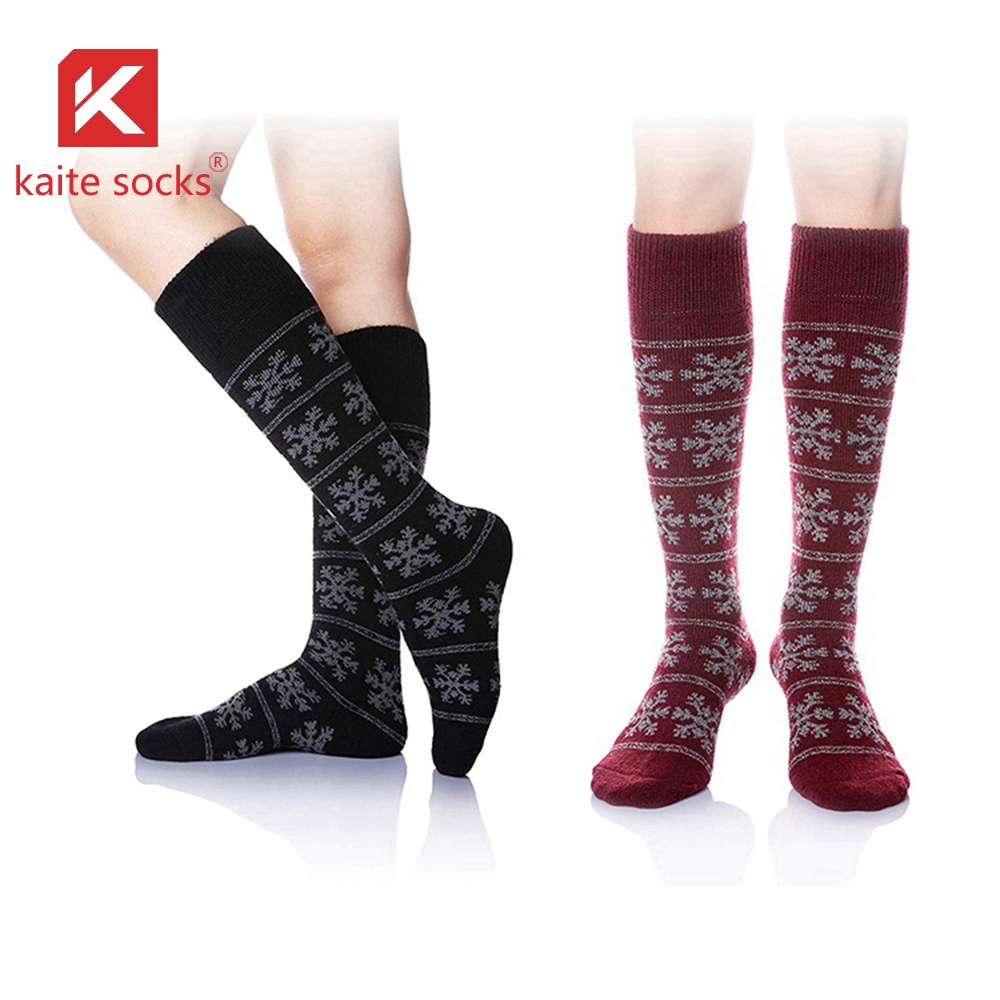
A pair of socks rarely gets a seat at the marketing table. That is exactly why it works. When a company hands out custom socks, the recipient does not toss them into a drawer of forgotten tote bags. They wear them, often for years, and every wear is a small, friendly reminder of the brand that gave them. For startups, sports clubs, hotels, and retail labels, this humble product has grown into a serious branding tool with real return on a modest budget. In this article, we look at why socks stand out as merchandise, how to plan a project that avoids common mistakes, and what experienced factories do differently when a brand’s reputation is on the line.
Why Socks Beat Most Promotional Items
Think about the last branded pen you received. Chances are it vanished within a month. Socks live a different life. They are useful, personal, and visible in the right moments, like a gym session, a flight, or a Sunday on the couch. People also tend to feel genuinely pleased when handed a well made pair, because it feels like a gift rather than an advertisement.
There is a practical side too. Socks are size friendly, they pack flat, and they ship cheaply compared with jackets or drinkware. A hotel can tuck a pair into a welcome kit. A software company can send them to new hires on day one. A brewery can sell them next to the taproom counter. The same product slips into very different stories, and each one carries your logo without shouting.
Emotion matters as well. Comfort is intimate. When a brand shows up in something that feels good against the skin, the association is warm by default, and that is hard to buy with a banner ad.
How to Plan Custom Socks That People Actually Wear
Start with the person, not the logo. Ask who will wear the pair and when. A runner wants cushioning and moisture control. An office worker may prefer a quiet pattern that looks sharp under trousers. A teenager might want something bold. Once the wearer is clear, the design decisions get easier.
Next, keep the artwork honest. Fine lines and tiny text often blur when knitted, because a sock is built from yarn loops rather than printed pixels. Simple shapes, strong contrast, and a limited color palette tend to look crisp. If your logo is complicated, a good factory will suggest a simplified version that still reads clearly.
Then think about material, cuff, weight, and fit. Cotton blends are familiar and soft. A little elastane helps the sock hold its shape after many washes. Ask for a sample before committing to a full run, and wash it a few times yourself. A sock that looks great out of the box but sags by week two will not do your brand any favors.
Finally, plan the unboxing. Packaging is the first thing people touch, so it deserves attention too.
What a One-Stop Factory Brings to the Table
Many brands lose weeks juggling one supplier for knitting, another for labels, and a third for boxes. Mistakes creep in at every handoff. A partner that handles socks and packaging under one roof removes much of that friction. Kaite Socks, a China based manufacturer with more than ten years of experience, works this way, covering production and packaging in a single workflow. If you are exploring custom socks for a campaign or retail launch, a one-stop setup means your design, samples, and finished boxes stay consistent from the first sketch to the final carton.
Experience also shows in small details. A seasoned team knows how to adjust a pattern so it sits correctly on the heel, how to match brand colors across yarn batches, and how to schedule production around holiday deadlines. Those are not glamorous skills, but they are the difference between a smooth launch and a stressful one.
Where Branded Sock Programs Are Heading
Expect more personalization and smaller, smarter runs. Brands increasingly prefer testing a design with a limited batch, reading customer reactions, and reordering what sells. Sustainability is also moving from a bonus to a baseline, with buyers asking about recycled fibers and packaging with less plastic. Collaboration drops, where two brands release a shared design, are another growing tactic because they bring two audiences to the same product.
The practical advice is simple. Choose a partner who communicates clearly, ask for samples early, and treat the sock as a real product rather than an afterthought.
Conclusion
Socks may be small, but they carry a brand surprisingly far. Thoughtful design, honest materials, and a reliable manufacturing partner turn custom socks from a giveaway into a lasting relationship with customers.
FAQ
What is the minimum order for custom socks? It varies by factory and by design complexity. Share your artwork and quantity early so the manufacturer can give you an accurate quote.
How long does production take? Timelines depend on the design, the order size, and the season. Confirm a clear schedule, including sampling, at the quotation stage.
Can I use my own packaging design? Yes. Many factories, especially one-stop manufacturers, can produce branded boxes, sleeves, and labels alongside the socks.