If your skin looks dull, feels rough, or still shows last summer’s sun spots, you’ve probably thought about a chemical peel treatment. You’ve probably also hesitated. Peels have a reputation for being harsh, red, and peely in the worst way.
That reputation is mostly outdated. Today’s options range from a lunchtime refresh to a deeper reset, and a trained provider can match the strength to your skin instead of guessing. Here’s how it works.
What a chemical peel treatment does
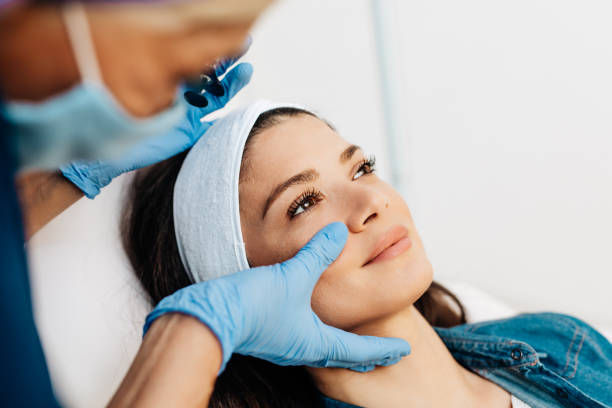
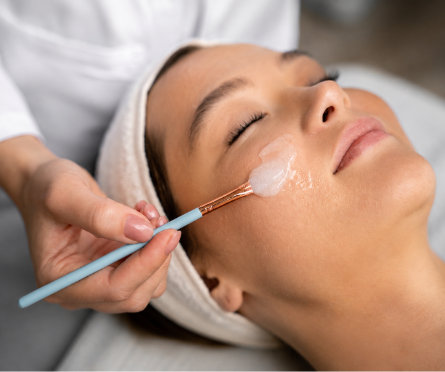
A chemical peel applies a carefully measured acid solution to your skin. The solution loosens the top layer of dead cells so they shed over the next several days. Fresh skin underneath is smoother, brighter, and usually more even in tone.
Peels are commonly used for:
- Fine lines around the eyes and mouth
- Sun damage and uneven pigment
- Dullness and rough texture
- Mild acne and clogged pores
- Some surface acne marks
A peel won’t lift sagging skin or erase deep wrinkles. If someone promises that, walk away.
Types of facial peel
Not every facial peel is the same strength, and the difference matters.
Light peels use ingredients like glycolic, lactic, or salicylic acid. They sting a bit, cause mild pinkness, and often leave you with light flaking for a couple of days. Most people can go back to normal life right away. They work well for glow and maintenance, and results build over a series.
Medium peels often use TCA (trichloroacetic acid). They go deeper, so they treat more visible sun damage and lines. Expect a week or so of redness and peeling, and a firm rule about staying out of the sun.
Deep peels are rare in a med spa setting and usually reserved for specific, serious concerns. They need real recovery time and medical oversight.
For most first-timers, light to medium is the sensible starting point. You can always go stronger next time. You can’t undo a peel that was too aggressive.
So what is a cool peel?
You’ll see “cool peel” on a lot of treatment menus lately, and it confuses people because it isn’t a chemical peel at all. It’s a light laser treatment, usually CO2-based, that resurfaces the skin with very short pulses of energy. The “cool” part refers to the technique: the pulses are brief enough that the skin doesn’t heat up the way it does with traditional laser resurfacing.
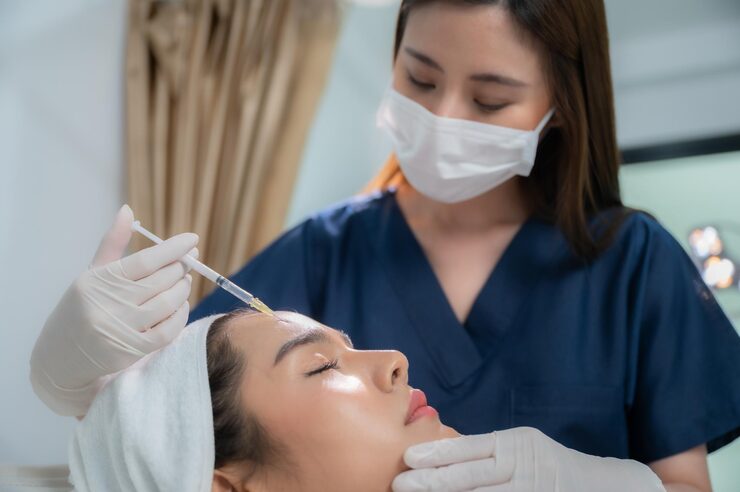
The appeal is the downtime. Most people are pink for a day or two and have some mild flaking afterward, which is far gentler than older laser methods. It’s often chosen for texture, fine lines, enlarged pores, and early sun damage.
If you’re deciding between a chemical peel and a cool peel, the practical difference is this: acids dissolve the surface layer, while the laser removes it with precision. Some people respond better to one than the other, and some do both at different times. A consultation will sort it out faster than any article can.
What the day (and the week after) looks like
Your provider cleans your skin, applies the peel, and watches the clock. Light peels take a few minutes. You’ll feel warmth or a tingling that fades quickly, and a fan or cool compress usually helps.
Afterward, the routine is boring but important:
- Wear broad-spectrum sunscreen every day, and reapply
- Use a gentle cleanser and a plain moisturizer
- Skip retinoids, scrubs, and strong acids until your provider says you can restart
- Don’t pick or peel flaking skin, however tempting. Picking causes marks that last longer than the peeling does.
Your skin will be more sensitive than usual, so give it a week of kindness.
Who should wait
Hold off and talk to a provider first if you’re pregnant or nursing, have an active cold sore or infection, took isotretinoin recently, have very sensitive or broken skin, or have a history of keloid scarring. Darker skin tones can be treated safely, but they need the right peel type and strength to avoid dark patches afterward, so choose someone with real experience there.
Choosing where to go
Look for licensed clinicians, a proper skin assessment before anything touches your face, and a clear explanation of your aftercare. Be wary of anyone who skips the patch test question or pushes the strongest option on a first visit. If you’d like to see the options in one place, Summit Medical Spa explains its approach on its chemical peels page.
Conclusion
A good chemical peel treatment is less dramatic than people expect. You pick a strength that fits your skin, protect it afterward, and repeat when needed. Cool peel is a solid alternative if you want resurfacing with little recovery. Whichever route you choose, the best results come from an honest consultation and realistic goals. Book that first, and let the provider tell you what your skin actually needs.
FAQ
Does a facial peel hurt?
Most people describe a warm, prickly sensation that lasts a few minutes. Deeper peels are more uncomfortable, and your provider can adjust for that.
How long does peeling last?
Light peels typically flake for 2 to 4 days. Medium peels can take 5 to 7 days or longer.
How many sessions will I need?
Light peels are usually done as a series, often every 4 to 6 weeks. Medium peels may need only one or two sessions a year.
Is a cool peel the same as a chemical peel?
No. A cool peel uses laser energy rather than acid, though both aim to refresh and smooth the skin.
Can I wear makeup after a peel?
After a light peel, mineral makeup is often fine within a day. Check with your provider, especially after medium peels or cool peel.
When will I see results?
Light peels show a glow within a week. Deeper improvements in tone and texture appear as the skin finishes renewing, usually in 2 to 4 weeks.