Two sisters in San Antonio started selling makeup out of a shared apartment in November 2019 with no outside funding and no celebrity backer. Five years later, their brand had been featured on The Jennifer Hudson Show, picked up a national partnership with IPSY, and won small business grants from Mastercard and Bank of America. That brand, Chica Beauty, is one of dozens of examples proving that a Latina owned makeup brand is not a niche category anymore. It is one of the fastest-growing corners of an industry that used to overlook this audience almost entirely.
What “Latina owned” actually means beyond a label
The phrase gets used loosely, so it helps to be specific. A genuinely Latina owned makeup brand is founded, majority-owned, and usually still run day to day by a Latina entrepreneur, not a brand that added Spanish packaging to an existing product line for a heritage month promotion. The difference shows up in the details: who is in the product photos, which shades actually work for a range of Latina skin tones instead of a narrow beige-to-tan strip, and whether the brand’s story references a real grandmother, a real neighborhood, a real first product made on a kitchen table.
None of that is sentimental filler. It shapes product decisions. A founder who grew up watching her mother do her makeup with three products before church on Sunday tends to build differently than a brand team working from a trend report.
A San Antonio sister act that rebuilt the brow aisle
Chica Beauty is a useful case study because it shows how far a bootstrapped brand can go without cutting corners on quality. Sisters Mei-Lon Jimenez and Toni Lee Jimenez, both third-generation Latinas raised in San Antonio, built the company around one idea: makeup should simplify a woman’s routine, not add ten more steps to it. Their sets carry names like Jefa and Amor, and the Amor set includes a bold red lipstick inspired directly by their grandmother, who wore the same shade every day of her life.
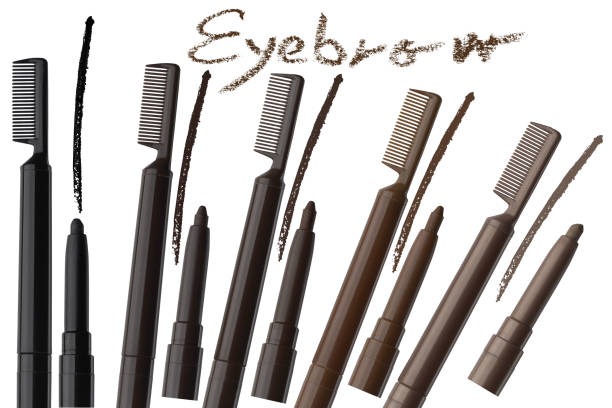
That philosophy is easiest to see in their 3-in-1 eyebrow multi-tasker, a single $15 pencil that combines a precision tip, a tinted powder, and a setting gel so shoppers can skip buying three separate brow products. It is a small object, but it captures exactly what the sisters set out to do: cut the routine down without cutting the result.
The brand grew with zero debt for its first several years, funded entirely by its own sales. That kind of discipline is common among Latina founders in this space, many of whom start without venture money and have to earn every dollar of growth from repeat customers rather than an ad budget.
Why these founders keep building the same way
A pattern shows up across almost every Latina owned makeup brand worth paying attention to: multitasking products, clean ingredient lists, and shade ranges built for real skin tones rather than a marketing afterthought. Vive Cosmetics, founded by Joanna Rosario-Rocha and Leslie Valdiva, built its entire identity around representing the range of the Latinx community in its models and campaigns rather than casting one look and calling it universal. Chica Beauty’s own eyeshadow palette drew its name and color story from Fiesta, San Antonio’s biggest annual celebration, instead of a generic seasonal theme dreamed up in a boardroom.
This is not a coincidence. Founders who are also the target customer tend to cut the products they would not personally use, which is a different filter than a brand manager approving a line based on projected margins.

Why this category keeps outgrowing its shelf space
Hispanic shoppers now account for close to a fifth of total US beauty spend, and that share keeps climbing faster than the category average. Makeup is one of the categories driving it, alongside hair care and fragrance. Even so, dollar share for Latina owned brands within that spending still lags the demand, which is exactly why a brand like Chica Beauty can grow from a two-sister operation into a national IPSY partner in five years. The room to grow is still wide open.
Retailers have started to notice the gap between how much this audience spends and how little shelf space reflects it. Programs that set aside a share of shelf space for underrepresented founders, along with investors who now specifically target Latina-led beauty companies at the seed stage, are slowly closing that distance. But slow is the right word. A shopper who waits for the big retailers to sort this out will keep missing brands that are already doing the work, right now, at a fraction of the marketing budget a legacy label spends in a single quarter.
Where to actually shop these brands
Finding a Latina owned makeup brand used to mean tracking down a founder’s own site or catching a pop-up at a local market. That has changed. Curated shops built specifically around Latina founders now carry brands like Chica Beauty alongside skincare, hair care, and tools from other founder-led labels, which turns a scattered search into one stop. The Jefas, founded by Aurora Diaz, a Latina founder herself, is one of the platforms doing exactly this, giving shoppers a single place to discover brands like Chica Beauty, from their waterproof gel lip liner to other everyday essentials, instead of hunting them down one at a time. It is worth checking one of these platforms before defaulting back to whatever brand is easiest to find on a drugstore shelf.
This matters more for a brand like Chica Beauty than it might seem. A two-person team does not have the budget to run national commercials or buy prime end-cap placement at a big retailer, no matter how good the product is. A curated platform effectively does that job for them, putting a fifteen-dollar brow pencil in front of a shopper who was searching for exactly this kind of brand and just did not know where to look yet.
The takeaway
The next time your brow pencil runs dry or you need a new lipstick for a night out, check who actually built the product before you grab whatever is at eye level. A Latina owned makeup brand is not a favor you do for a small business. Based on the products coming out of San Antonio, Miami, and everywhere in between right now, it is usually just the better formula.
FAQs
- What is a Latina-owned makeup brand?
A Latina-owned makeup brand is founded and primarily owned by a Latina entrepreneur. These brands often create products inspired by cultural experiences, inclusive beauty needs, and authentic representation.
- Why should I choose a Latina-owned makeup brand?
Latina-owned makeup brands often focus on inclusive shade ranges, multifunctional products, high-quality ingredients, and authentic storytelling that reflects the experiences of diverse communities.
- Are Latina-owned makeup brands suitable for everyone?
Yes. While these brands celebrate Latina culture and heritage, their makeup products are designed for people of all backgrounds who want effective, high-quality beauty products.
- What features should I look for in a Latina-owned makeup brand?
Look for inclusive shade selections, long-lasting formulas, clean ingredients, multifunctional products, transparent brand values, and founder-led innovation that reflects real customer needs.
- Where can I buy Latina-owned makeup brands?
You can shop Latina-owned makeup brands through their official websites, curated beauty marketplaces, subscription beauty boxes, and selected retailers that support founder-led and diverse beauty brands.