Ask anyone who’s tried applying their own lashes what made the difference between a set that fell apart by lunchtime and one that lasted the whole week, and almost none of them will say technique. They’ll say the glue. It’s the least glamorous part of the whole process, but it’s quietly doing more work than the lashes themselves, and most people don’t realise how much it matters until they’ve had one set fail on them halfway through the day.
That’s usually the moment someone starts researching what they’re using instead of grabbing whatever came free with a starter kit, and it tends to change everything about how their lashes hold up afterward.
Why the Glue Matters More Than the Lashes
It’s easy to assume that better lashes automatically mean better results, but even the highest quality clusters will fail if the adhesive holding them isn’t up to the job. A weak or unsuitable glue means clusters lift within hours, edges curl up first thing in the morning, and by the second day you’re already picking bits off rather than enjoying a full week of wear.
The frustrating part is that this usually gets blamed on the lashes themselves rather than what’s holding them in place. Someone assumes cluster lashes just aren’t durable, when a stronger, more suitable adhesive would have solved the problem entirely. Once people make that connection, they stop cycling through different lash brands looking for a fix and start looking at what’s going in the applicator.
What “Bond and Seal” Actually Means
If you’ve spent any time researching lash adhesives, you’ve probably come across the term bond and seal without anyone properly explaining what it means. It’s actually simpler than it sounds. Bonding refers to the initial hold, the glue securing the cluster to your natural lash. Sealing is a second, thinner layer applied afterward that locks everything in place and protects the bond from moisture, oil, and general everyday wear.
This two-step approach is exactly why properly formulated adhesives outperform basic single-step glues so dramatically. The bonding stage gets the cluster attached correctly, and the sealing stage is what stops it from breaking down the moment you wash your face, go for a run, or simply get caught in the rain on the way to work. Skip the seal and even a strong initial bond tends to weaken far sooner than it should.

Finding an Adhesive That Actually Holds Up
Not every glue marketed for lash clusters is built the same way, and this is usually where people waste money trying product after product before finding something reliable. A genuinely good adhesive should stay flexible once dry rather than becoming brittle, since brittle glue is exactly what causes clusters to snap off rather than gently lifting when it’s time to remove them.
This is where the best bond and seal lash glue earns that description rather than just claiming it on the packaging. It should apply cleanly without clumping, dry with enough flexibility to move naturally with your lash line, and hold through a full day without needing constant touch-ups. Getting this one product right tends to solve more problems than switching lash styles ever will.
Sultry Lash Bar has built a reputation around understanding this exact issue, pairing quality clusters with adhesive that’s designed to work with them rather than treating glue as an afterthought. That combination is usually the missing piece for people who’ve tried DIY lashes before and assumed they just weren’t for them.
Making At-Home Application a Reliable Routine
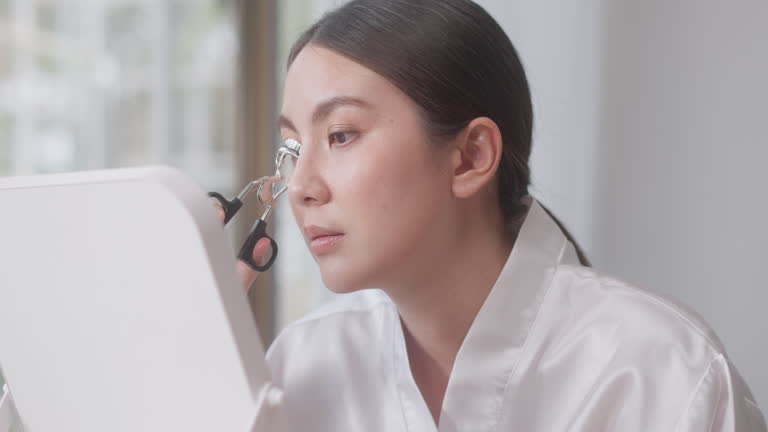
Once the adhesive is sorted, consistency becomes less about luck and more about repeating a process that works. Clean, product-free lashes make a noticeable difference, since oil from moisturiser or leftover mascara stops adhesive from bonding properly no matter how good the glue itself is. Applying in good lighting, ideally sitting rather than standing, also cuts down on the small mistakes that come from rushing.
Genuinely good at home lash extensions have made this kind of routine realistic for people who assumed it was only achievable in a salon chair. With the right adhesive doing its job properly, the whole process stops feeling like a gamble every time and starts feeling like something you can rely on, set after set, without wondering whether it’ll actually last the day.
Why This Changes People’s Minds About DIY Lashes
Most of the negative experiences people had trying lashes at home trace back to the same root cause, and it’s rarely the clusters themselves. Once the adhesive is right, the whole process becomes noticeably more forgiving, more consistent, and far less stressful to get through each morning. It’s a small switch that ends up changing how people feel about the entire routine, turning something they’d given up on into a habit that sticks.
FAQs
- What are athome lashextensions?
At home lash extensions are lash products designed for convenient application at home, allowing users to enhance their natural lashes without a salon appointment.
- What is the best bond and seal lash glue used for?
The best bond and seal lash glue is designed to help secure lash extensions while providing a finishing layer that supports their hold and overall appearance.
- Are athome lashextensions suitable for beginners?
Many at home lash extensions are designed with straightforward application in mind, making them an accessible option for people new to DIY lash styling.
- How should I choose the best bond and seal lash glue?
Consider compatibility with your lash system, application method, drying characteristics, comfort, and the type of wear you expect before selecting a lash adhesive.
- How can I get a natural look with athome lashextensions?
Choose suitable lash lengths and place smaller clusters strategically along the lash line to create balanced definition while maintaining a natural-looking finish.