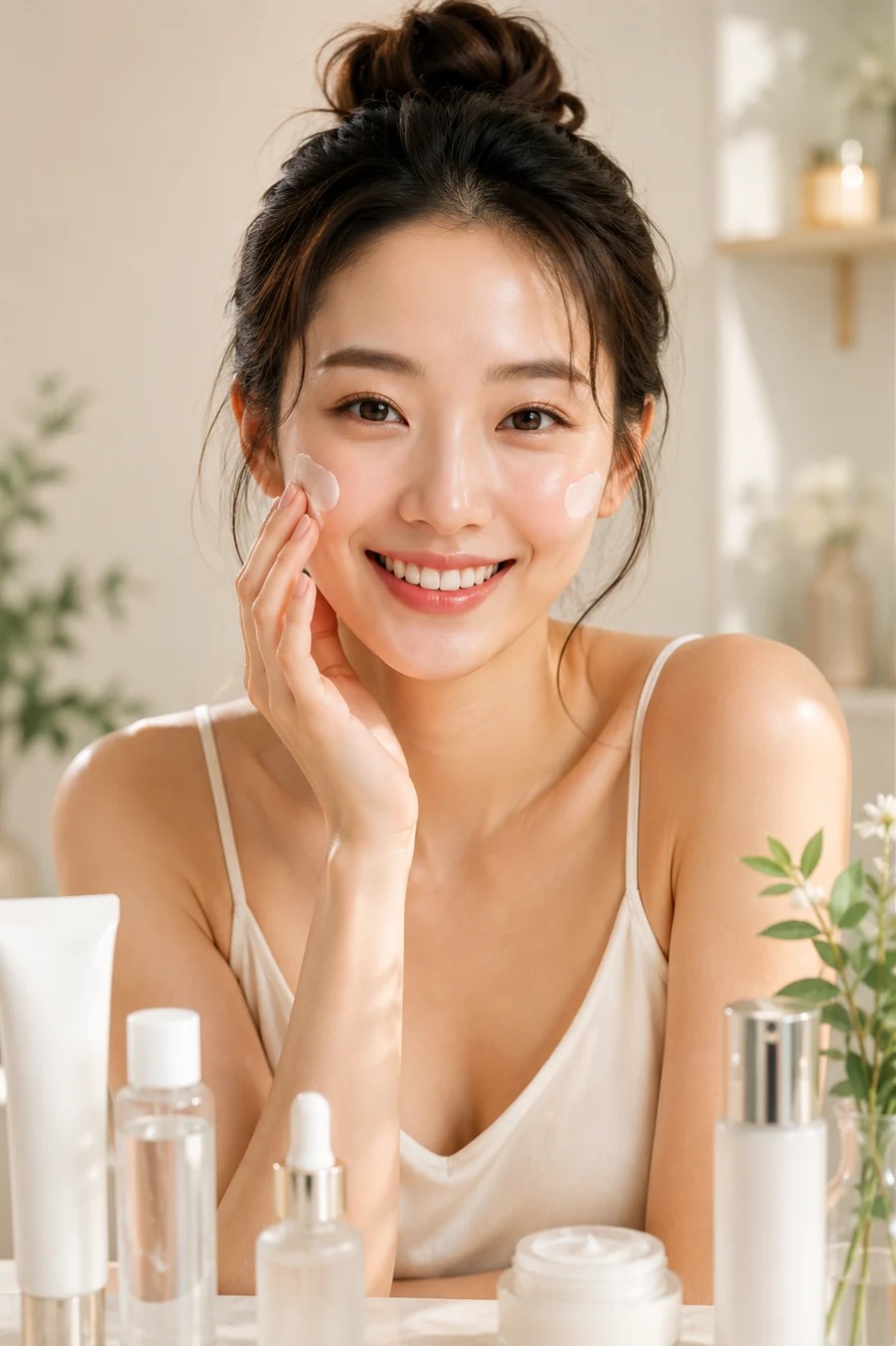
Japanese skincare products have earned a reputation that kinda crosses borders, cultures, and skin types. The answer to why is not really in clever marketing, so much as it is in consistent results. Japan’s beauty industry puts a lot of effort into ingredient research clinical testing, and formula refinement, and you can feel that in the finish. You end up with products that treat the skin gently, hydrate in a deep way, and help the complexion age gracefully with the people using it. And if you have been wondering where to start, this guide, well it walks you through everything you need.
What Sets Japanese Skincare Products Apart From Other Brands
The difference starts at the formulation level, like early on. Japanese skincare philosophy puts the skin barrier first above everything else. Instead of pushing hard at obvious symptoms like dryness or breakouts, Japanese formulas aim to restore the deeper equilibrium so the skin can actually work properly on its own. Because of that, you’ll usually notice fewer harsh acids, and more humectants, emollients, and calming plant extracts in a typical Japanese routine.
Brands like Hada Labo made hyaluronic acid a real staple ingredient, they layer multiple molecular weights into a single lotion so hydration can reach both the surface, and the deeper parts too. FANCL leans another direction by removing all preservatives from their formulas, to create what they call “additive-free” skincare. Curel stays focused on ceramide replenishment, especially for people with sensitive skin or that eczema-prone type of reactivity.
The Core Philosophy Behind Japanese Skincare Products
Japanese skincare is not about doing more. It is about doing the right things consistently. A typical Japanese routine involves:
- Oil-based cleanser or cleansing oil to remove makeup and sunscreen
- Foam or gel cleanser to purify the skin
- Lotion or toner to restore hydration immediately after cleansing
- Serum or essence for targeted concerns
- Moisturizer or emulsion to seal everything in
- Sunscreen as the final step every morning
Each step serves a specific purpose, and japanese skincare products are designed to work seamlessly within this layering sequence.
Most Popular Japanese Skincare Product Categories
Cleansers in Japanese Skincare Products
Cleansing is kind of treated like a big deal in Japan, so the whole thing feels more serious than just “wash your face and go” ya know. The Senka Perfect Whip Cleansing Foam is one of those face washes that a lot of people around the world genuinely love, it has a silk-protein enriched formula and the foam itself feels super, deeply satisfying. Then the Shiseido ELIXIR Cleansing Foam II goes for moisture retention while you’re cleansing, which sounds unusual but somehow it works, especially if your skin gets dry easily. And Suisai Beauty Clear Black Powder Wash is enzyme cleansing in little capsule form, so it’s also more hygienic and very travel friendly in a normal way.
Moisturizers and Lotions in Japanese Skincare Products
Hada Labo’s Gokujyun and Shirojyun lines, honestly they’re famous for a reason. The Gokujyun leans hard into deep hydration using multiple hyaluronic acid molecules, meanwhile the Shirojyun adds a kind of brightening element using tranexamic acid. These are not only “popular” products, for many users they feel transformative, like the routine actually changes something.
Sunscreens in Japanese Skincare Products
Japan also makes some of the best sunscreens on earth, and it shows in how consistent the results are. ANESSA, ALLIE, and Skin Aqua keep showing up as award winners in the Japanese beauty world. For example ALLIE Chrono Beauty Color Tuning UV gives you SPF50+ protection, plus a tone-correcting tint, so it’s more than the basic sun shield thing. It’s kind of practical for everyday use, and it fits into a routine without feeling too extra.
How to Choose Japanese Skincare Products for Your Skin Type
| Skin Type | Recommended Focus | Top Brands |
| Dry | Hydrating lotions, rich creams | Hada Labo, Curel, Minon |
| Oily | Lightweight gels, oil-control toners | Rohto, Naturie, Labo Labo |
| Sensitive | Additive-free, ceramide-rich formulas | FANCL, Curel, Minon |
| Combination | Balancing toners, light emulsions | Hada Labo, Orbis, MUJI |
| Aging | Collagen serums, retinol alternatives | Shiseido ELIXIR, Kose SEKKISEI |
Where to Find Genuine Japanese Skincare Products
Authenticity matters, for real. JapanStandards ships all orders straight from Japan, so the items are pulled from the domestic Japanese market, and they land basically in the same original formulation. The site also includes brands like Hada Labo, Shiseido, FANCL, Kanebo, Kose, Curel, Minon, CANMAKE and plenty more, you know that kind of variety.
Conclusion
japanese skincare products feel like one of the most careful and effective beauty approaches you can find anywhere, truly. If you’re the kind of person who keeps things minimal or you prefer a more detailed routine, Japan still has something that fits you exactly. Just begin with a cleanser you trust, add a Hada Labo lotion, and then build from there, step by step.
FAQ Section
Q1: Are japanese skincare products safe for all skin types?
Most are formulated with sensitive skin in mind, though it is always wise to patch test a new product before full application.
Q2: Do japanese skincare products use preservatives?
Most do, as preservatives are necessary for shelf stability. However, some brands like FANCL specifically offer preservative-free lines.
Q3: Why are japanese skincare products rated so highly?
Consistent formulation, rigorous testing, and a philosophy focused on skin barrier health rather than aggressive treatments.
Q4: How long before I see results from japanese skincare products?
Most users notice hydration improvements within days. Brightening and anti-aging effects typically take four to eight weeks of consistent use.