
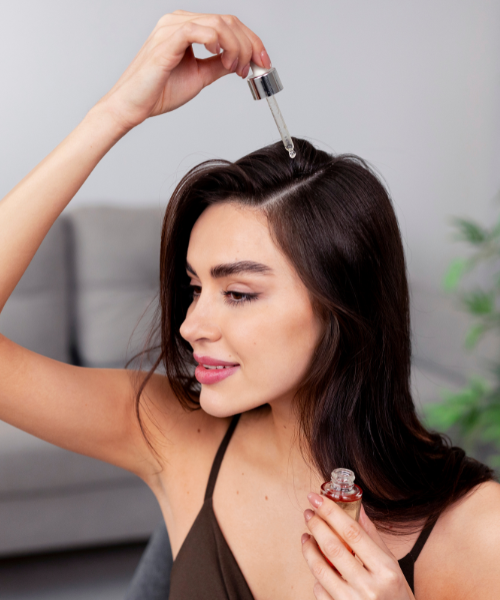
If your scalp feels tight and flaky an hour after washing, and the ends of your hair puff up the moment humidity rises, you’re probably dealing with the same root problem twice: not enough moisture where it counts. Most people try to fix each issue with a separate product, and most of the time that just adds clutter to the bathroom shelf.
The best hair oil for dry scalp and the best hair oil for dry and frizzy hair are often the same kind of oil, as long as it’s chosen carefully and used the right way. This guide explains why the two problems travel together, what to look for on an ingredient label, how to apply oil without ending up greasy, and where Let’s Shine Wellness Champi Hair Oil fits into the picture.
Why a dry scalp and frizzy hair often show up together
Your scalp is skin, and it produces its own natural oil (sebum) that travels down the hair shaft and keeps strands smooth. When the scalp is dry, whether from cold weather, hard water, frequent washing, or harsh cleansers, that natural conditioning is weaker. The hair below it tends to be drier too, because there’s less protection along the length and ends.
Frizz is what dryness looks like on the hair itself. A strand that lacks moisture lifts its outer cuticle and reaches for water in the air, which is why dry hair swells and flyaways appear on humid days. Heat styling, chemical treatments, and tight hairstyles that rub against the strands make the cuticle rougher still.
That’s the reason a scalp-first approach makes sense. Looking after the scalp and conditioning the lengths in the same routine can be more practical than chasing frizz with a serum while the scalp stays tight and irritated.
One caution worth stating plainly: a dry scalp isn’t the same thing as dandruff or a scalp condition. If you have persistent flaking, redness, or itching that doesn’t improve with a gentler routine, it’s worth seeing a doctor or dermatologist rather than relying on any oil.
What to look for in the best hair oil for dry scalp
Start with the base. Oils such as coconut, olive, almond, castor, and grapeseed are commonly used in traditional and modern hair care because they’re rich in fatty acids that soften hair and help it hold onto moisture. A blend usually behaves better than a single oil, since lighter oils (grapeseed, almond) balance heavier ones (castor, olive) and make the result easier to spread and wash out.
Next, check what’s missing. Mineral oil and silicones can make hair feel slippery without actually nourishing it, and they tend to build up over time, which is the last thing a dry scalp needs. Artificial fragrance is another common trigger for sensitive skin. A shorter, plant-based formula with a clear ingredient list is easier to judge than one that hides behind a vague “proprietary blend.”
Herbal extracts are the third piece. Ingredients like rosemary, neem, fenugreek, hibiscus, and moringa have a long history in Ayurvedic scalp care, and many people like them as part of a massage ritual. It’s fair to treat them as traditional, supportive ingredients rather than guaranteed fixes, and to patch test any new oil, especially if your skin is sensitive.
Finally, think about texture. A good oil for dry scalp should feel rich enough to condition but light enough to rinse out with a regular shampoo. If it’s so heavy that you need to wash twice, you’ll end up stripping the scalp you were trying to nourish.
What works best for dry, frizzy lengths
For the hair itself, the goal is smoothness and moisture retention. A lightweight oil applied before washing acts as a protective layer, so shampoo doesn’t strip as much natural moisture. Many people with dry, frizzy hair find this pre-wash step more forgiving than leave-in oils, which can weigh fine hair down or make it look stringy.
Texture matters here. Straight and fine hair usually needs less product and a lighter touch, while curly and coily hair can handle more oil and often benefits from focusing on the ends, where dryness collects. Whatever your hair type, starting with a small amount and adding more only if needed is the safest way to avoid greasiness.
It also helps to be realistic. Oil can soften hair, add shine, and reduce the look of frizz, but it won’t permanently repair damage from bleach or heat. Trimming split ends and cutting back on hot tools will do just as much for frizz as any product.
Where Champi Hair Oil fits
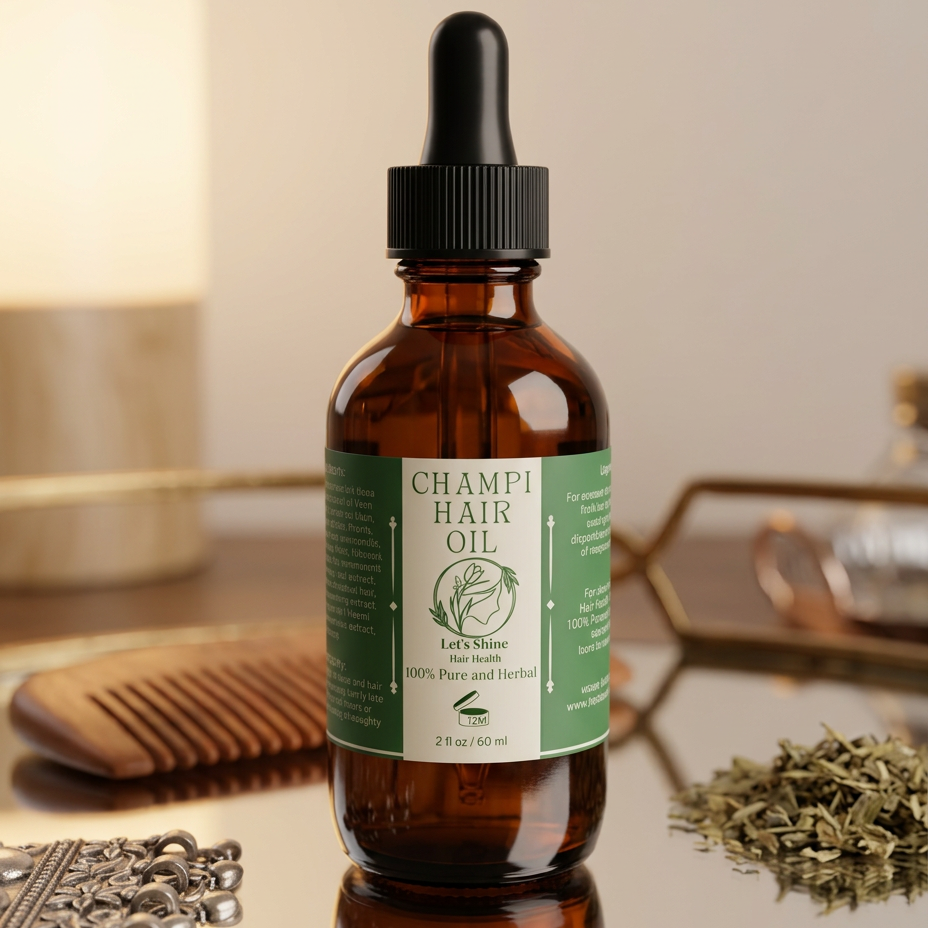
Let’s Shine Wellness Champi Hair Oil is built around the traditional champi (head massage) ritual, which makes it a natural fit for anyone who wants a scalp-first approach. The base is a blend of coconut, olive, castor, sweet almond, and grapeseed oils, infused with moringa, hibiscus, rosemary, fenugreek, neem, and clove extracts, with tocopherol (vitamin E) in the mix.
According to the brand, the formula is free from mineral oil, silicones, parabens, and artificial fragrances, and it’s designed to be lightweight and non-greasy. The stated aim is to nourish the scalp, soften dry strands, and help reduce dryness, frizz, and breakage over time with consistent use. As with any oil, results depend on your hair, your routine, and how regularly you use it.
It’s a reasonable match for the two problems in this article because it’s meant to do both jobs in one step: massage into the scalp for dryness, then let it condition the lengths before you wash. If you have a very sensitive scalp, note that the blend includes botanical extracts such as clove and rosemary, so do a small patch test first and stop using it if you notice irritation, as the brand also advises.
How to use hair oil on a dry scalp without the grease
The method matters as much as the product. Warm a small amount between your palms and work it into the scalp with your fingertips, using slow circular motions for a few minutes. The massage itself helps loosen dry flakes and makes the routine feel like a proper reset rather than a chore.
Then smooth whatever is left on your hands down the lengths, concentrating on the ends where frizz is worst. For Champi Hair Oil, the brand recommends using it two to three times a week, leaving it on for at least 30 minutes (or overnight if you prefer), and then washing with a gentle shampoo.
A few practical tips make the difference between a nourishing routine and a messy one:
- Start with less than you think you need, especially on fine or straight hair.
- Part your hair in sections so the oil reaches the scalp, not just the top layer.
- Use a mild shampoo and avoid very hot water, which dries the scalp out again.
- If you’re leaving it on overnight, protect your pillowcase with a towel or a soft cap.
Give any new routine at least a few weeks before judging it. Hair moves slowly, and scalp comfort usually improves before texture does.
Mistakes that can make dryness worse
The most common one is oiling a scalp that’s already coated in product buildup. If dry-looking flakes are actually residue from dry shampoo or styling products, adding oil can trap it. Washing thoroughly first, then oiling before the next wash, usually works better.
Another is over-washing with strong cleansers. A gentle, sulfate-free shampoo or shampoo bar can cleanse without leaving the scalp feeling tight. Pairing that with fewer heat-styling days gives your hair a chance to recover.
And finally, switching products too often. It’s tempting to move on if you don’t see changes in a week, but dry scalp and frizz both respond to consistency more than to novelty.
Final thoughts
The best hair oil for dry scalp and dry, frizzy hair is one you’ll actually use consistently: a balanced plant-oil blend, free from heavy fillers, applied before washing and massaged in properly. Pair it with a gentle cleanser, go easy on heat, and give it a few weeks before deciding whether it’s working for you.
If you’d like a scalp-first oil that follows the traditional champi ritual, Champi Hair Oil from Let’s Shine Wellness is a good place to start, and it comes with a 30-day satisfaction guarantee listed on the product page.
Common questions
-
Can I use the same oil for my scalp and my hair lengths?
Yes, in most cases. A balanced blend of lighter and richer oils can work on both, but use less on the lengths of fine hair and more on the ends if your hair is thick, curly, or coily.
-
How long should I leave hair oil on before washing?
That depends on the product. For Champi Hair Oil, the brand suggests at least 30 minutes, or overnight for deeper conditioning, followed by a gentle shampoo.
-
Is it okay to use hair oil if I have dandruff?
It depends on the cause. True dandruff and some scalp conditions need specific treatment, and some people find oils make them worse. If flaking is persistent, check with a dermatologist before adding oil.
-
How soon will I notice a difference?
Softness and shine can show up after the first few uses, but changes in dryness and frizz generally take several weeks of regular use. Individual results vary.